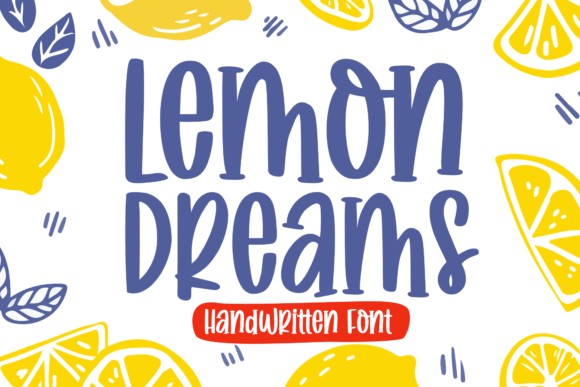
Lemon Dreams: A Handwritten Font with a Bouncy, Charming Touch
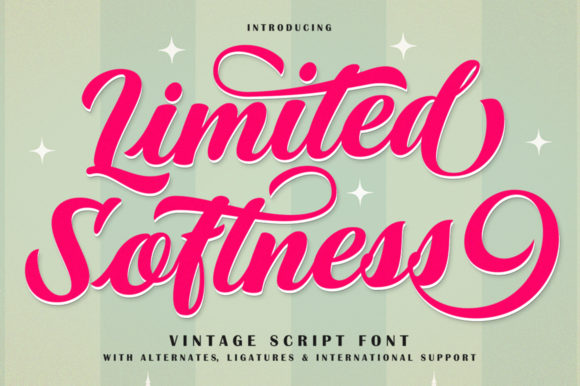
Lemon Dreams is a handwritten font that has gained popularity for its playful and whimsical style. Designed to evoke a sense of nostalgia and warmth, it’s often used in creative projects that require a personal, handcrafted feel. This font is particularly favored by designers, crafters, and content creators who are looking for a unique visual identity that stands out without being too formal.
What Makes Lemon Dreams Stand Out?
At first glance, Lemon Dreams might remind users of classic handwritten scripts, but it has its own distinct characteristics. The font features a bouncy, almost carefree flow that gives it a lively and approachable look. Its curves are soft and rounded, making it easy on the eyes and ideal for use in both digital and print formats.
One of the key strengths of Lemon Dreams is its versatility. It can be used for a variety of purposes, from branding and packaging to social media graphics and greeting cards. The font’s charm lies in its ability to convey emotion and personality, which makes it a favorite among those who want their designs to feel more human and less machine-made.
In comparison to other handwritten fonts, Lemon Dreams offers a more consistent and refined appearance. While some similar fonts may appear too erratic or difficult to read, Lemon Dreams maintains clarity while still retaining its handmade aesthetic. This balance between readability and character is one of the reasons it’s so widely appreciated.
When Is Lemon Dreams the Right Choice?
Lemon Dreams is best suited for projects where a friendly and inviting tone is needed. For example, it works well for children's books, birthday invitations, and promotional materials aimed at younger audiences. Its playful nature also makes it an excellent choice for branding campaigns that aim to connect with a more casual or artistic demographic.
Additionally, Lemon Dreams is great for DIY projects and personal crafts. Whether you're creating a handmade journal, a scrapbook layout, or a custom T-shirt design, this font adds a touch of personality and creativity that can elevate your project. Its soft curves and gentle lines make it visually appealing and easy to work with in various design software tools.
However, it’s important to consider the context in which you’ll be using the font. If your project requires a more professional or formal look, Lemon Dreams may not be the best fit. In such cases, a serif or sans-serif font would be more appropriate. That said, there are alternatives within the handwritten category that offer a more structured or elegant appearance if that’s what you’re looking for.
Comparing Lemon Dreams to Other Options
While Lemon Dreams is a standout option in the world of handwritten fonts, it’s not the only one available. There are several other fonts that share similar traits, each with its own unique qualities. For instance, Flourish and Scriptina are two other popular choices that offer a similar level of charm and flexibility.
Flourish is known for its intricate detailing and ornate letterforms, making it ideal for more elaborate designs. However, its complexity can sometimes make it harder to read at smaller sizes. On the other hand, Scriptina is slightly more modern and streamlined, offering a cleaner look while still maintaining a handwritten feel. It’s a good alternative if you’re looking for something that’s easier to read but still retains a personal touch.
Compared to these options, Lemon Dreams strikes a balance between detail and simplicity. It doesn’t have the excessive flourishes of Flourish, nor does it sacrifice readability for style like Scriptina. Instead, it offers a middle ground that’s both attractive and functional. This makes it a versatile choice for a wide range of applications.
Strengths and Limitations
One of the main strengths of Lemon Dreams is its adaptability. It can be used across different platforms and mediums, including websites, print materials, and digital art. Its clean lines and consistent structure make it relatively easy to work with, even for beginners who are new to font design or typography.
Another advantage is its emotional appeal. The font’s cheerful and upbeat style can help create a positive impression, which is especially useful in marketing and branding contexts. It can help build a connection with the audience by making the message feel more personal and engaging.
Despite its many benefits, Lemon Dreams does have some limitations. One potential drawback is that it may not be suitable for all types of content. For example, it’s not ideal for long-form text or technical documents where clarity and professionalism are essential. Additionally, because it’s a handwritten font, it may not render as well in certain environments, especially when used at very small sizes or in low-resolution formats.
Practical Use Cases and Real-World Examples
To better understand how Lemon Dreams can be applied in real-world scenarios, let’s look at a few examples. A local bakery might use the font on their packaging and signage to give their brand a friendly and approachable image. Similarly, a boutique clothing store could incorporate it into their website headers or product labels to create a more personalized shopping experience.
For personal projects, someone might use Lemon Dreams to create a custom wedding invitation or a handmade birthday card. The font’s charm and ease of use make it an excellent choice for those who want to add a personal touch without sacrificing quality or readability.
It’s also worth noting that Lemon Dreams can be paired with other fonts to create a more balanced design. For instance, pairing it with a clean sans-serif font like Arial or Helvetica can help maintain readability while still incorporating the font’s unique character.
Making an Informed Decision
Choosing the right font depends on several factors, including the purpose of the project, the target audience, and the overall design goals. Lemon Dreams is an excellent option for those who value a warm, inviting, and creative aesthetic. However, it’s not the only solution available, and there are other fonts that may better suit specific needs depending on the context.
If you’re looking for a font that combines charm with functionality, Lemon Dreams is definitely worth considering. But it’s always a good idea to explore different options and see which one best aligns with your vision and requirements. By understanding the strengths and limitations of Lemon Dreams, you can make a more informed decision about whether it’s the right choice for your next project.