Web Design Development Template: A Powerful Tool for Professionals and Beginners
When it comes to presenting web design projects, having the right tools can make all the difference. A Web Design Development Template is more than just a visual aid—it's a strategic asset that helps designers, developers, and entrepreneurs communicate their ideas effectively. Whether you're pitching to clients, showcasing your work, or educating others, a well-crafted template can elevate your presentation from good to exceptional.
What Is a Web Design Development Template?
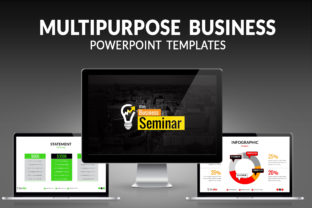
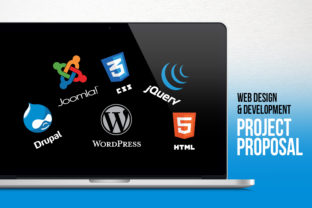
A Web Design Development Template is a pre-designed framework that includes slides, layouts, animations, and other elements tailored for presenting web design and development projects. These templates are typically built with PowerPoint, Google Slides, or similar platforms, making them easy to customize and use. They often come with features like placeholder text, image slots, and color schemes that allow users to focus on content rather than design.
The best templates are designed to be clean, creative, and corporate, offering a professional look without sacrificing creativity. They are ideal for a wide range of audiences, including freelancers, small business owners, educators, and marketing professionals who need to present their web projects in an organized and visually appealing way.
Common Mistakes When Using Web Design Development Templates
While templates can save time and effort, they also come with potential pitfalls. Here are some common mistakes people make when using a Web Design Development Template:
- Overlooking customization options: Many users treat templates as one-size-fits-all solutions, failing to personalize them to match their brand or project. This can result in presentations that feel generic or unprofessional.
- Ignoring slide structure: A poorly structured presentation can confuse the audience. Not organizing content logically or using too many slides can dilute the message.
- Using low-quality assets: Some templates include placeholder images or fonts that may not be high resolution. Using these can negatively impact the overall quality of the presentation.
- Not testing across devices: A presentation that looks great on a desktop might not render well on a mobile device. Failing to test this can lead to poor user experience during client meetings.
- Overloading with animations: While animations can add visual interest, too many can distract from the content. Striking the right balance is essential.
How These Mistakes Affect Your Work
Each of these mistakes can have real-world consequences. For instance, using a generic template may make your presentation seem unoriginal, reducing client trust. Poorly structured slides can confuse your audience, leading to misunderstandings about your project goals. Low-quality images or fonts can lower the perceived value of your work, especially if you're trying to convince a client to invest in your services.
On the flip side, a well-structured, customized presentation can enhance your credibility. It shows that you've put thought into your work and care about delivering a clear, professional message. This can lead to better communication, increased satisfaction, and ultimately, more successful projects.
Practical Advice for Better Results
To avoid these common issues, consider the following tips:
- Customize thoroughly: Take the time to adjust colors, fonts, and layout to align with your brand identity. This ensures your presentation feels personal and authentic.
- Organize your content clearly: Use a logical flow—introduction, problem statement, solution, design process, final product, and conclusion. This makes your presentation easier to follow.
- Use high-quality assets: Replace placeholder images with professional-grade visuals. Invest in stock photos or create original graphics to maintain consistency and quality.
- Test your presentation: Preview your slides on different devices and screen sizes to ensure they look great everywhere. This helps prevent last-minute surprises during important meetings.
- Balance animation and simplicity: Use subtle transitions and effects to highlight key points without overwhelming your audience. Keep the focus on your message, not the gimmicks.
What to Check Before Using a Web Design Development Template
Before downloading or purchasing a Web Design Development Template, there are several things to consider:
- Compatibility: Ensure the template works with your preferred software (e.g., PowerPoint, Google Slides) and supports the features you need.
- License terms: Read the licensing agreement carefully. Some templates may restrict commercial use or require attribution.
- Support and updates: Choose templates from reputable sources that offer customer support and regular updates to keep your presentations current.
- Customization flexibility: Look for templates that allow full customization of colors, fonts, and layout. This gives you more control over the final output.
- Quality of included assets: Check if the template includes high-resolution images, fonts, and music tracks that are free to use or properly licensed.
By taking these steps, you can ensure that your Web Design Development Template serves its intended purpose: helping you present your web design projects with confidence, clarity, and professionalism.